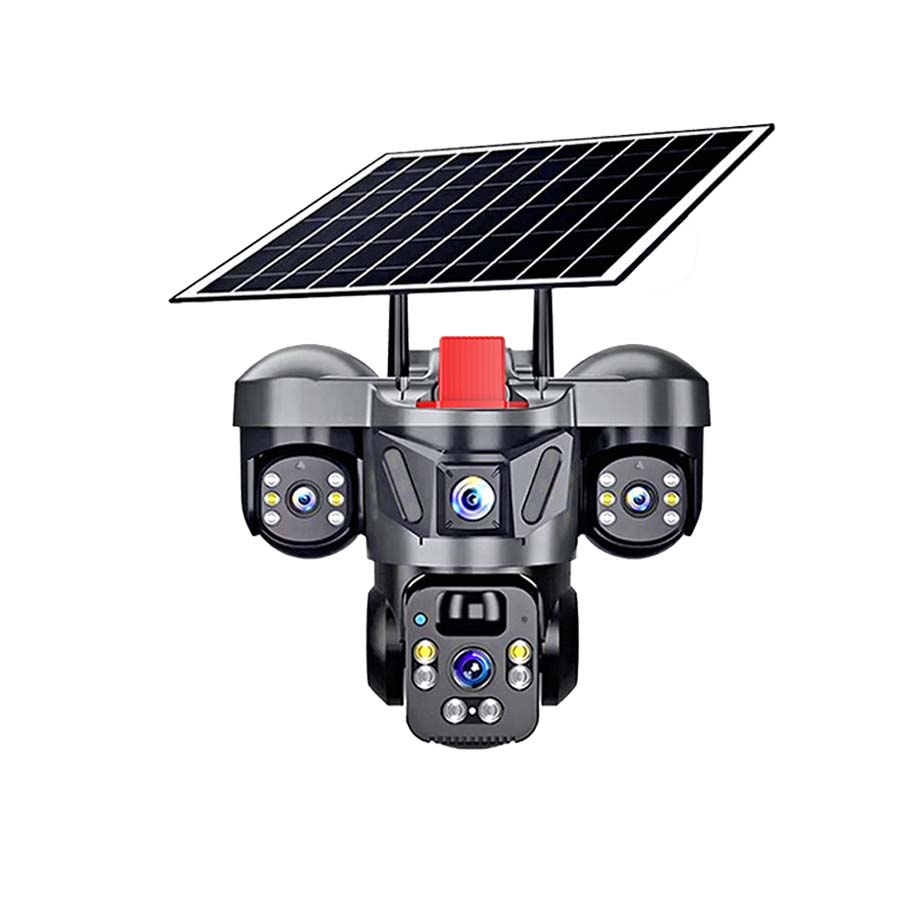
Importing Solar 4G Cameras: Certification & Customs Clearance
The four documents every shipment needs, what CE means when you buy OEM from China, and the pre-shipment gates in the markets we ship to most.
Read the guide →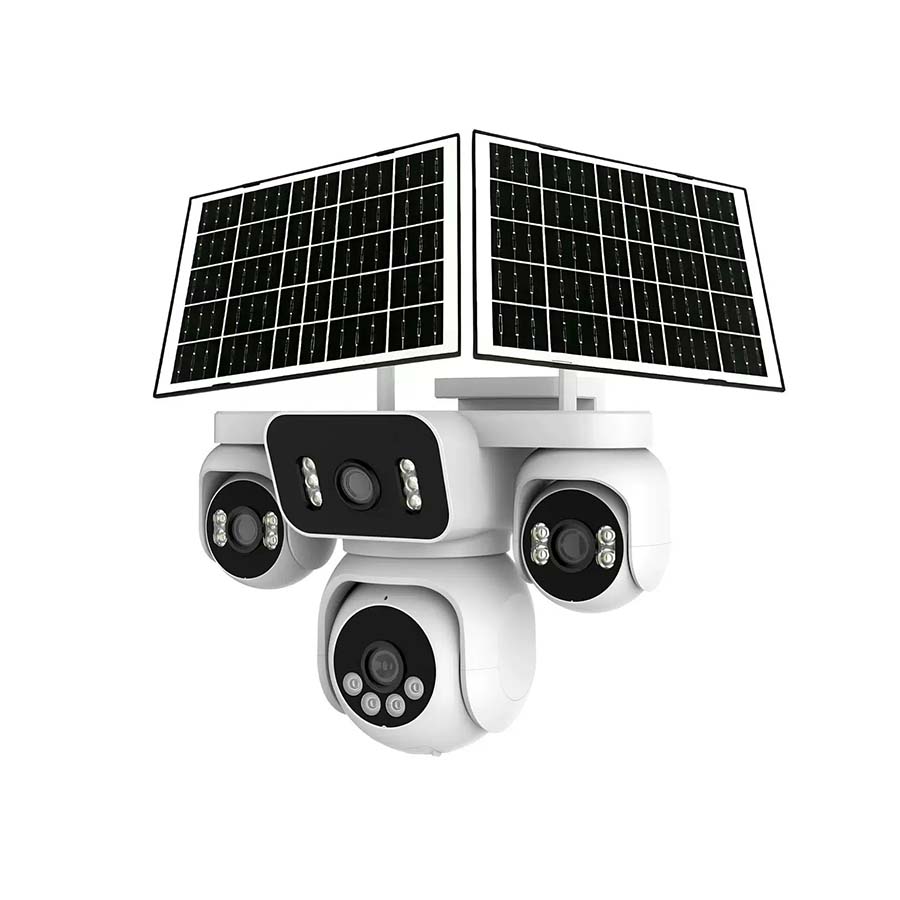
OEM Security Cameras: What You Can Change, What It Costs and How Long It Takes
The five levels of customization, minimum quantities, the tooling deposit and the timeline — stated without decoration.
Read the guide →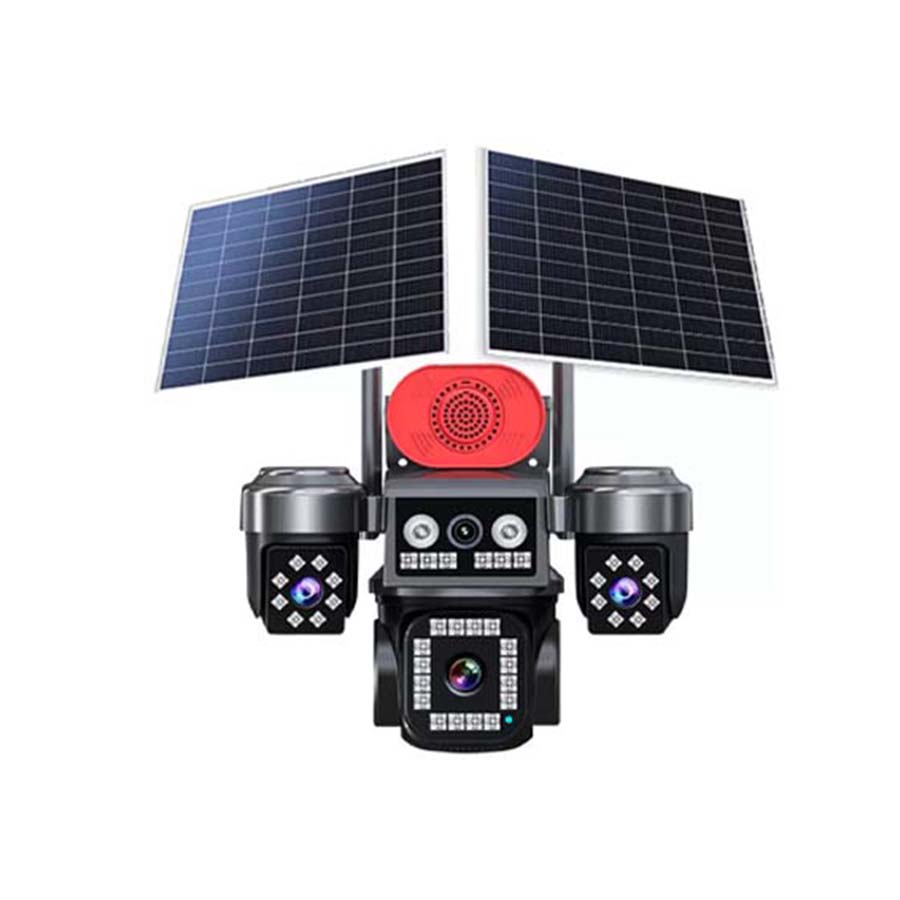
Why Almost No Solar Camera Supports ONVIF or RTSP
It is not a missing feature. A camera on its own SIM and its own power cannot behave like a device behind a recorder — here is why, and what to use instead.
Read the guide →What Is a 4G Solar Security Camera? A Plain-English Explanation
It powers itself from a panel and sends video over a mobile network instead of WiFi. What it is made of, how it differs from WiFi and wired cameras, where it is the wrong answer, and the four things buyers get wrong.
Read the guide →3-Lens vs 4-Lens Solar Security Cameras: Which Should You Stock?
Lens count decides your average order value, your warranty exposure and how many SKUs sit on the shelf. Coverage math, cost per monitored zone, installation trade-offs — and the stock mix distributors settle on.
Read the guide →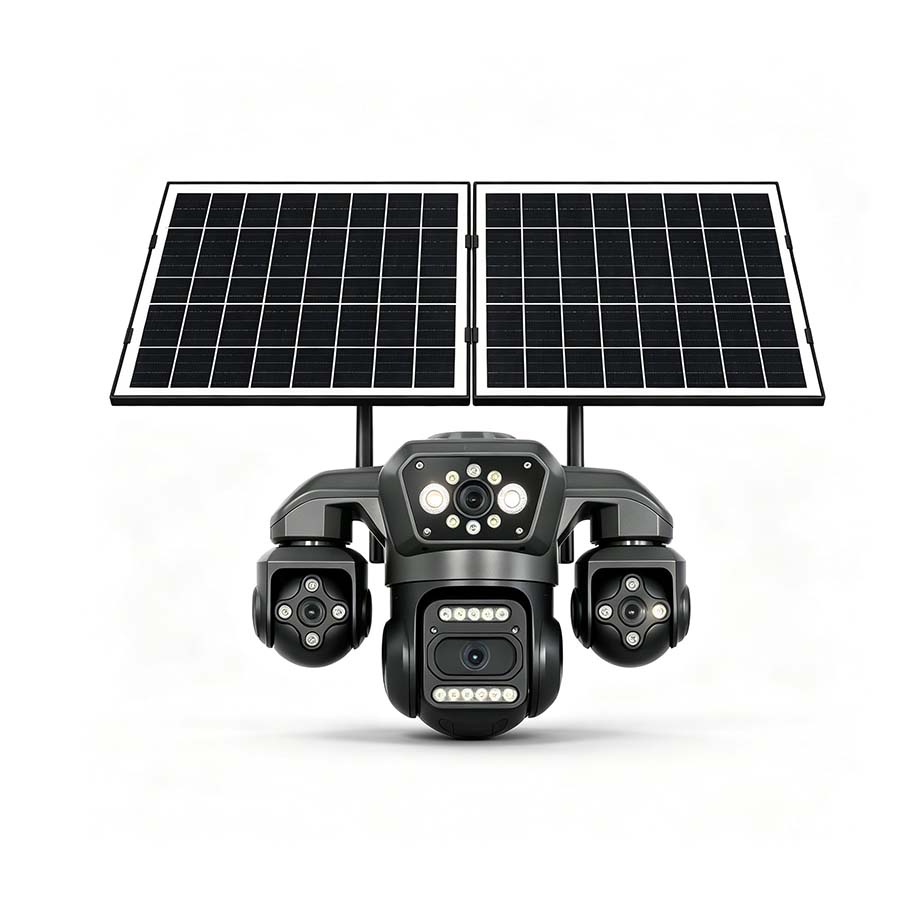
4G Solar Camera Data Plans & SIM Cards: The Operating Cost Nobody Quotes
A camera is paid for once; a data plan is paid 36 times. Realistic monthly data per camera, PIR-triggered uploads versus always-on streaming, band matching per market and the five SIM traps.
See the data math →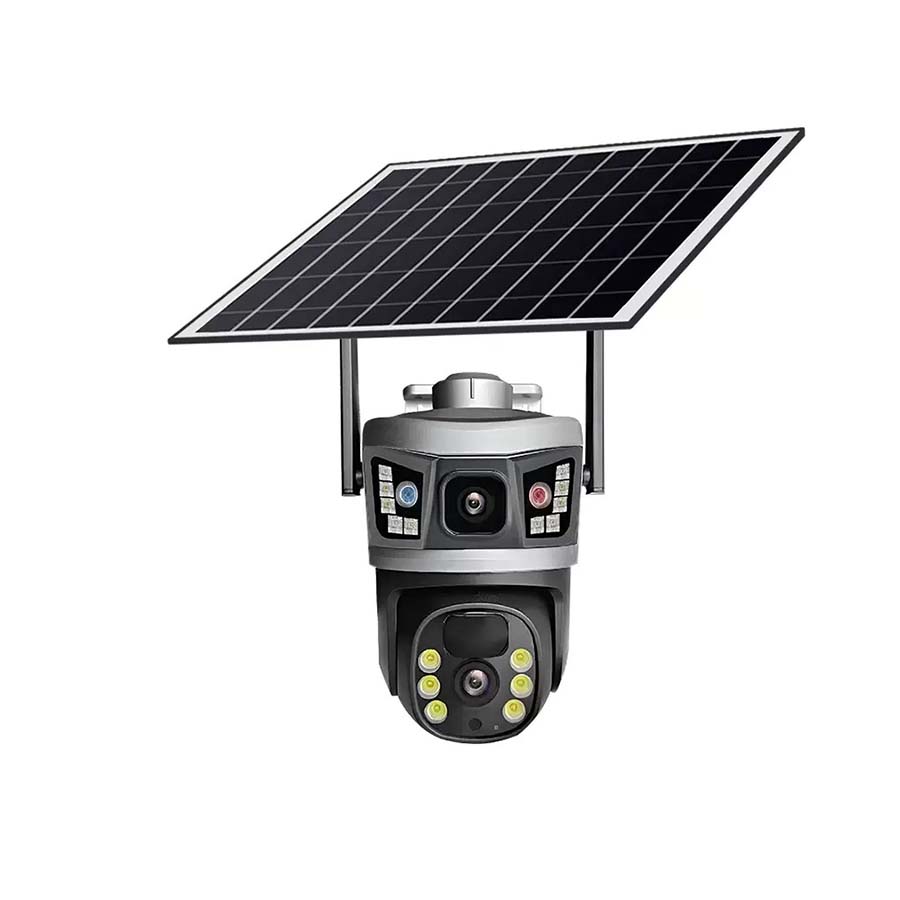
Solar Security Camera Installation Guide: Height, Panel Angle, PIR & Signal
Most solar camera problems are installation decisions made in a hurry. Mounting height by scene, panel tilt for both hemispheres, PIR aiming that ends false alarms, and the five-minute commissioning sequence.
Get the field guide →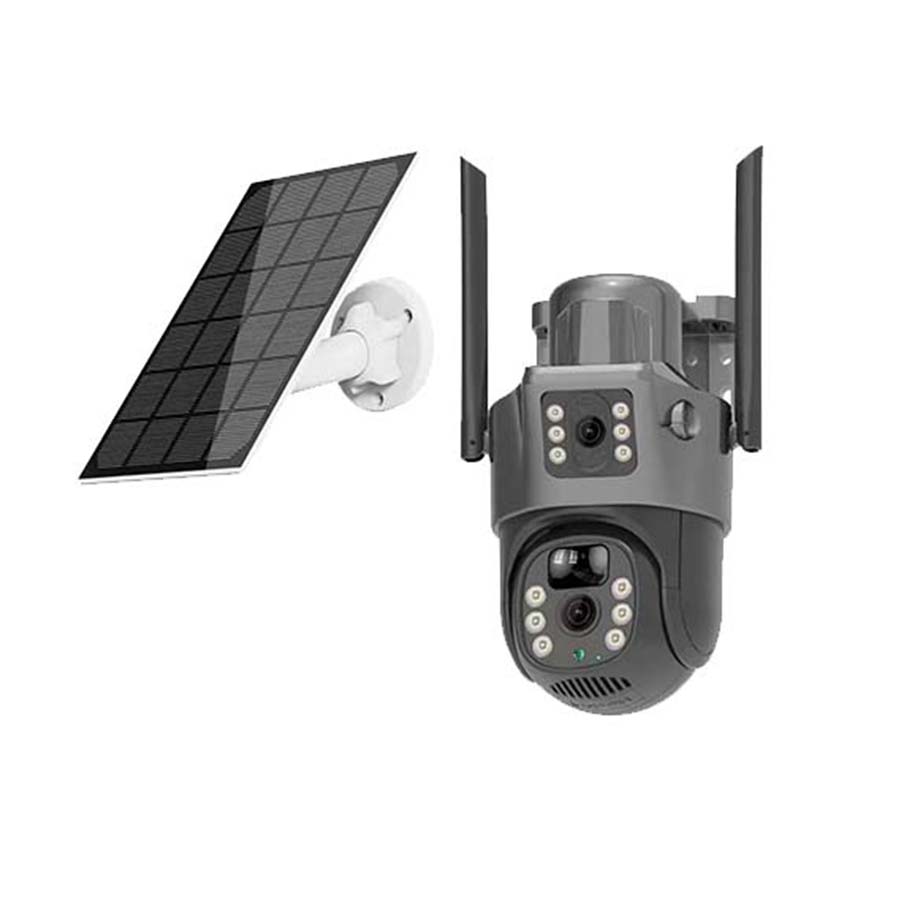
WiFi vs 4G Security Cameras: How to Choose for Each Customer & Site
The difference is not speed — it is whose network you depend on. Where WiFi quietly fails, where 4G is the only honest answer, the five qualifying questions, and why 4G often cuts installation cost.
Read the comparison →Solar Cameras Through Rainy Season: Battery Autonomy, Surge & Uptime Planning
Most wet-season failures are energy-budget decisions made in the dry season. Sizing for the worst month, autonomy stated in days, battery chemistry, surge and earthing principles, and a pre-season checklist.
Plan for the wet season →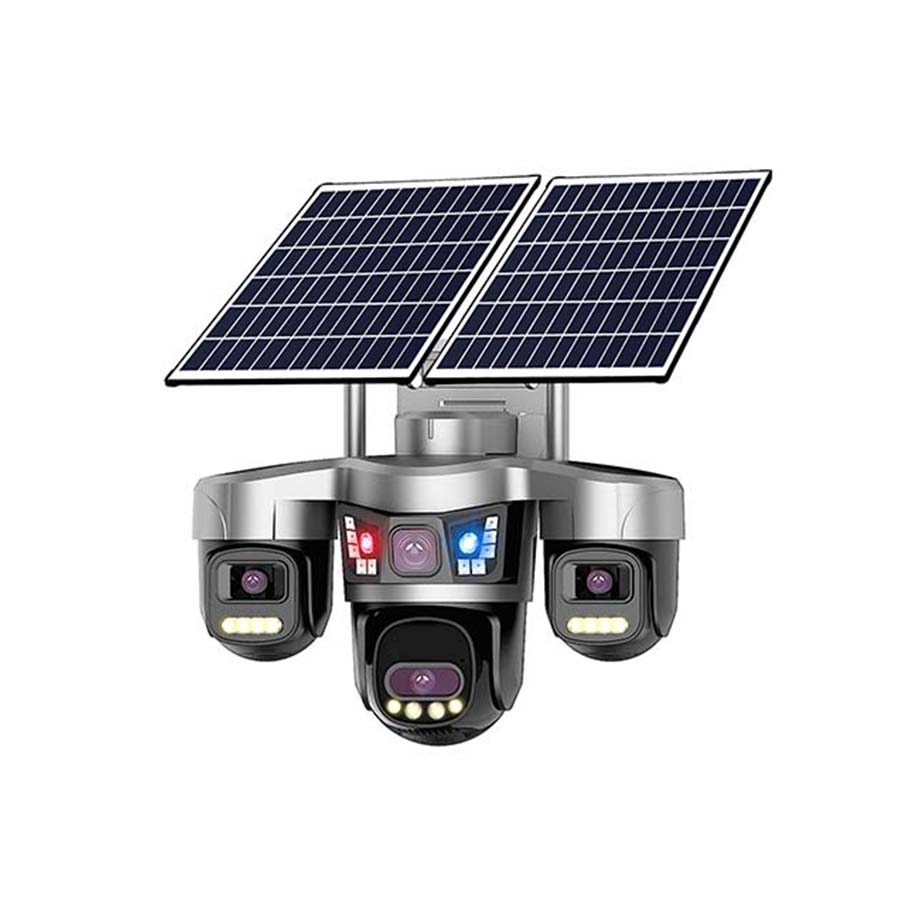
Solar CCTV Cameras for Farms in Bulk: A Procurement Playbook for Distributors
Buying 50 or 500 units for farms and off-grid sites is a systems decision. Site survey data, a 14-day sample test protocol, five-year cost per camera and the five spec red flags — how professional buyers source solar CCTV at volume.
Read the playbook →Solar Security Cameras for Mozambique & Southern Africa: What to Verify Before Ordering
Vodacom, Movitel and Tmcel band matching, wet-season battery sizing, CIF shipping to Maputo and Beira — plus the three-tier product ladder that wins the Southern African market.
Read the insight →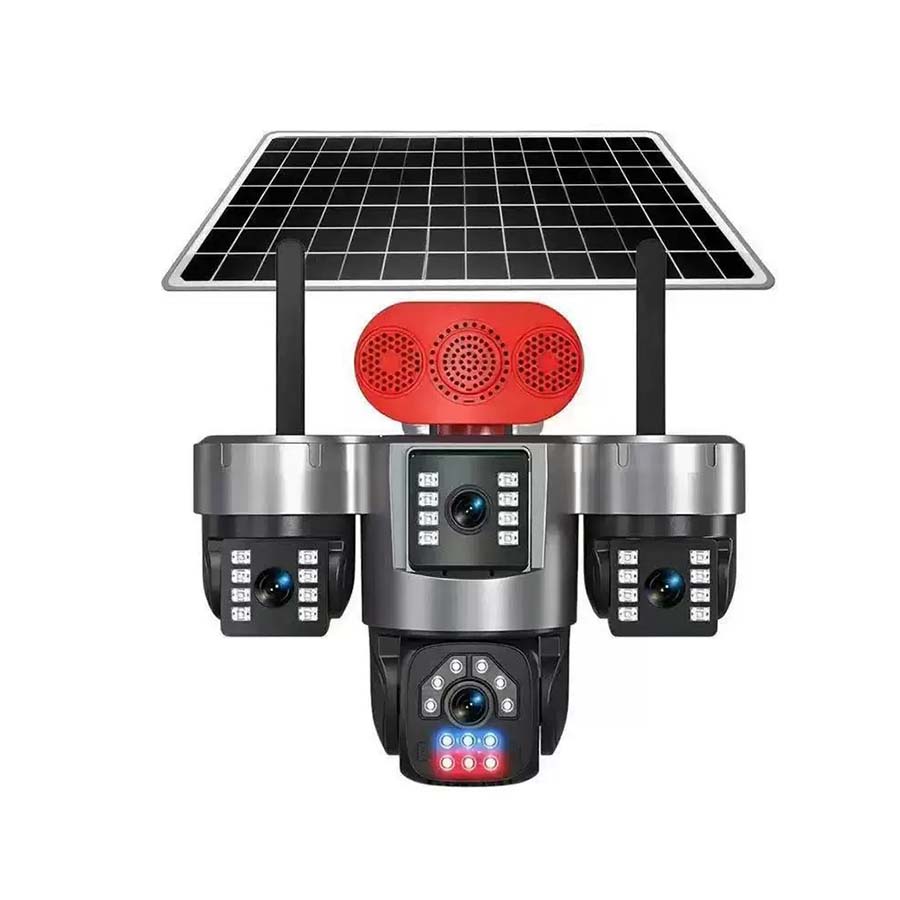
How Much Does a Solar Security Camera Cost? Wholesale Price Ranges & the OEM Buying Process
Indicative FOB price bands by lens count and connectivity, the seven factors behind every quote, how MOQs really work, and the eight-step OEM process from inquiry to loaded container.
See the price bands →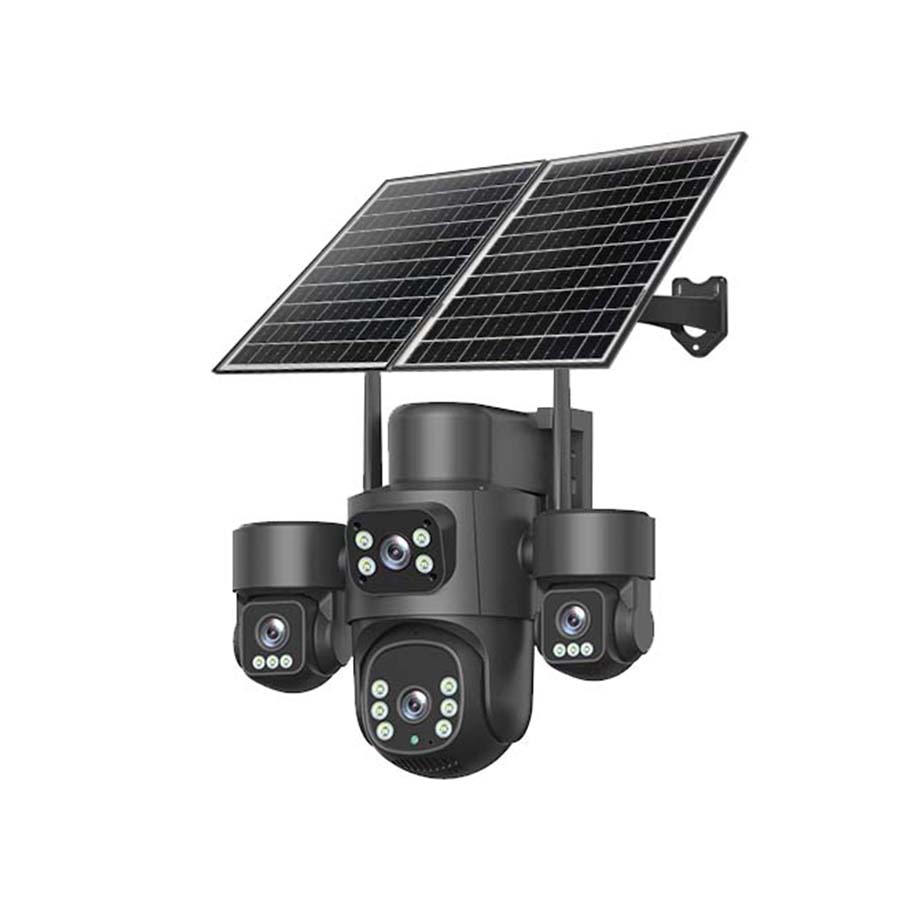
How to Choose a 4G Solar Security Camera for Farms & Remote Sites
No grid power, no WiFi, no wiring budget — yet farms lose more to theft than any urban site. Here is the checklist our export team uses with agricultural distributors: panel sizing, battery chemistry, 4G bands, data plans and the lens coverage math.
Read the guide →Solar vs Wired Security Cameras: The 5-Year Total Cost Comparison
Camera price tags lie. Trenching 300 meters of cable, electricity bills, maintenance call-outs — wired systems quietly cost 3-5x their sticker price. We break down the real 5-year numbers for both, with a worked example for a typical 8-camera site.
See the numbers →Multi-Lens Solar Cameras Explained: Why 3–4 Lenses Beat a Single PTZ
One lens can only look one way. Multi-lens cameras combine fixed wide-angle panoramas with independent PTZ channels — covering a whole compound with no blind spots. Here is how the architecture works and when each lens count makes sense.
Understand the tech →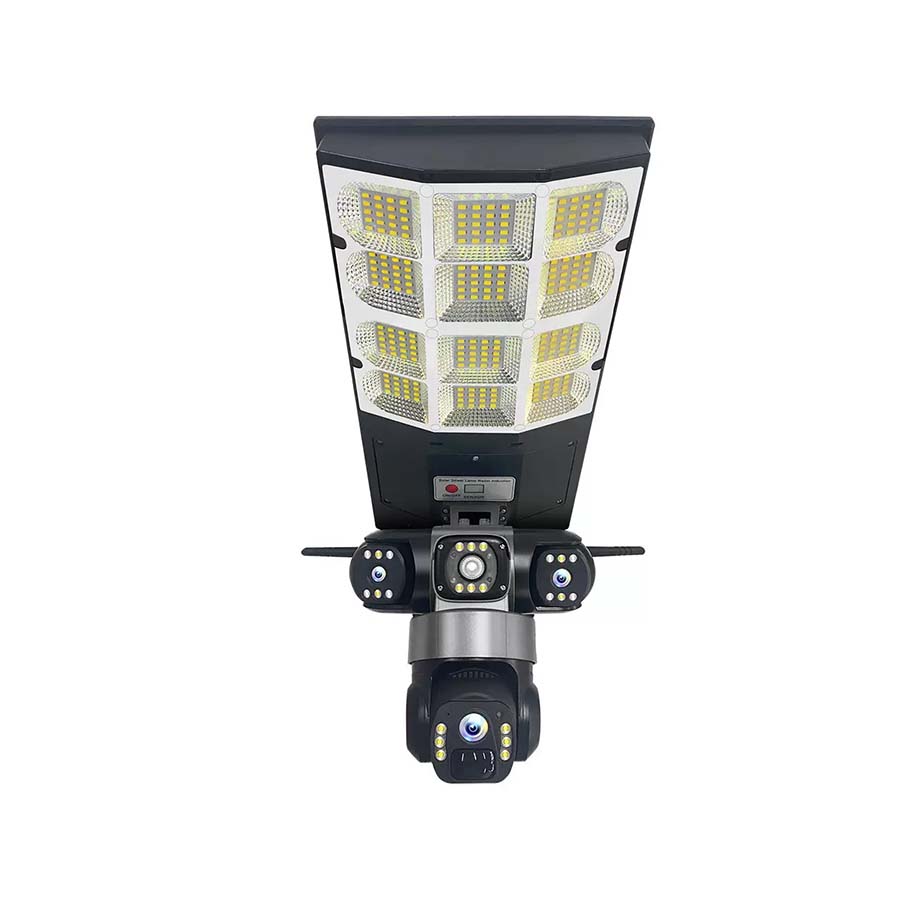
Solar Security Cameras in Nigeria & West Africa: 4G Bands, Power Realities & What to Check Before Buying
Unreliable grid power is exactly why solar cameras thrive in West Africa — but the wrong 4G band or a undersized battery turns a good product into a warranty headache. What Nigerian installers and importers should verify before ordering a container.
Read the insight →